



Upload Documents in Seconds — Without Manual Data Entry
For engineering and project teams, document control is not just about storing files. It’s about keeping information structured, searchable, and trustworthy across the entire project lifecycle.
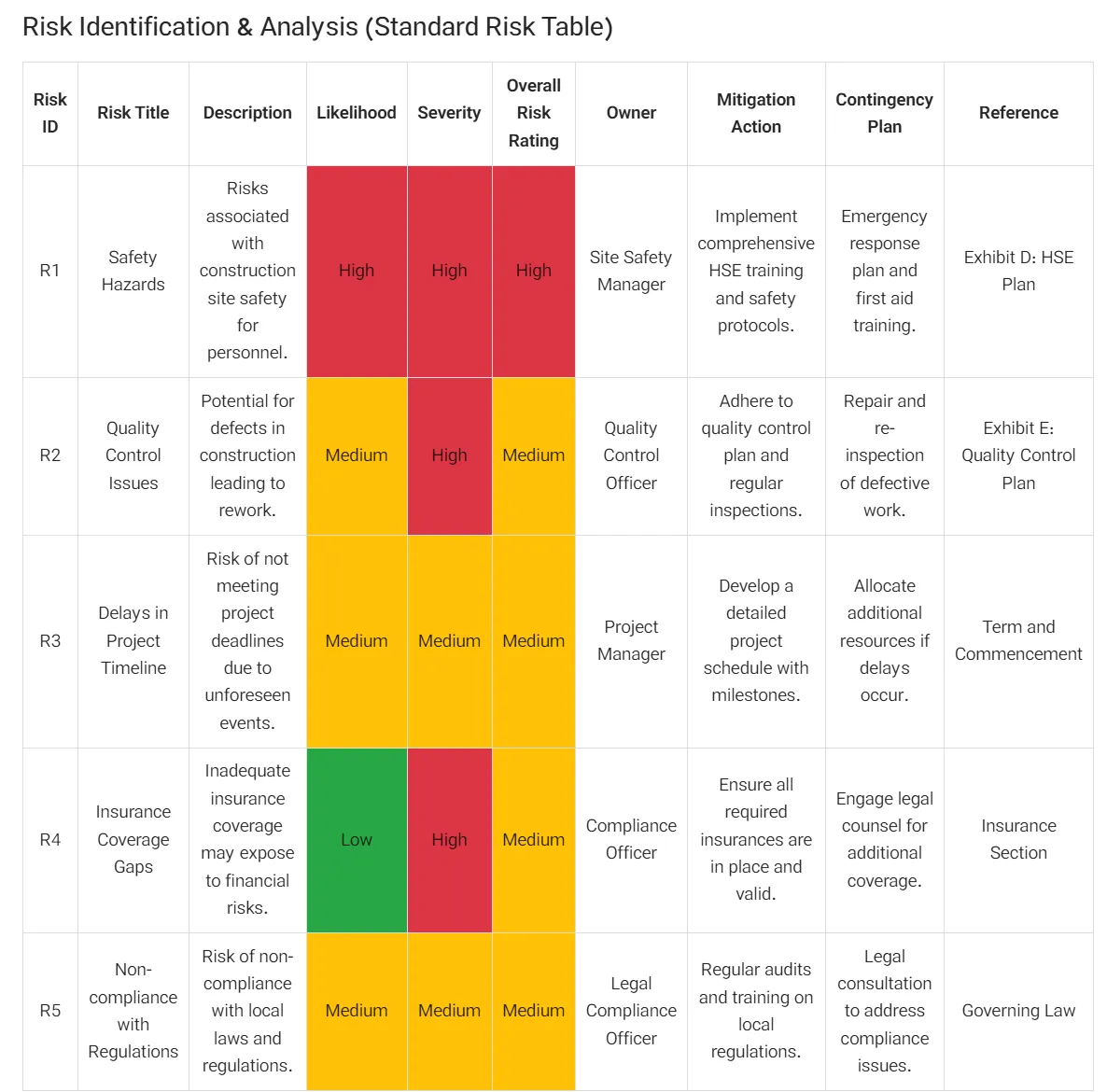
But there is one problem nearly every team experiences:
Uploading documents into an EDMS still feels like data entry.
Users must open each file, search for key details, and manually fill in metadata fields—again and again—across thousands of documents. It slows down workflows, introduces errors, and creates inconsistent records that reduce the value of the EDMS over time.
To solve this, we built a new capability into our EDMS:
AI-assisted document understanding and metadata extraction at upload.
The Challenge: Manual Upload Is a Hidden Productivity Drain
When teams upload documents, they typically need to enter:
- Document type
- Discipline
- Document number
- Title
- Originator
- Revision and status information
- Additional structured data (depending on the document type)
This is not “real engineering work,” but it consumes a surprising amount of time.
In many organizations, document control and engineering teams spend 9+ hours per week simply transferring information from PDFs and files into systems. Over a year, that becomes 468+ hours, or roughly ≈ 58 working days per employee.
That’s nearly two full working months, per person, per year—lost to repetitive copy-paste tasks.
Our Solution: EDMS That Understands Documents at Upload
Our EDMS now includes AI-driven document understanding that works directly at the upload stage.
Instead of asking users to manually read the document and fill in fields, the system automatically analyzes the file and populates metadata instantly.
At upload, the AI detects:
- Document type
- Discipline
- Document number
- Document title
- Originator / organization
This happens in seconds, directly inside the EDMS interface.
Works Across Engineering and Non-Engineering Documents
A key requirement for real-world projects is flexibility: an EDMS must handle more than technical drawings.
That’s why this feature supports both engineering and non-engineering document categories.
Engineering document examples:
- MR (Material Requisition)
- MTO (Material Take-Off)
- Isometrics
- Calculation Sheets
- Technical Datasheets
- Vendor Documents
Non-engineering document examples:
- PO (Purchase Order)
- MOM (Minutes of Meeting)
- Contracts
- Procedures
- Letters and correspondence
- Project administration files
The AI automatically recognizes what type of document is being uploaded and applies the correct extraction logic.
Advanced Extraction for High-Value Documents (Example: Contracts)
Some document types require more than standard metadata.
For example, contracts contain critical structured information that teams often need for:
- reporting,
- compliance,
- claims management,
- project governance,
- and legal risk control.
For contracts, our EDMS AI can extract additional fields such as:
- Contract value
- Involved bodies / parties
- Key commercial terms
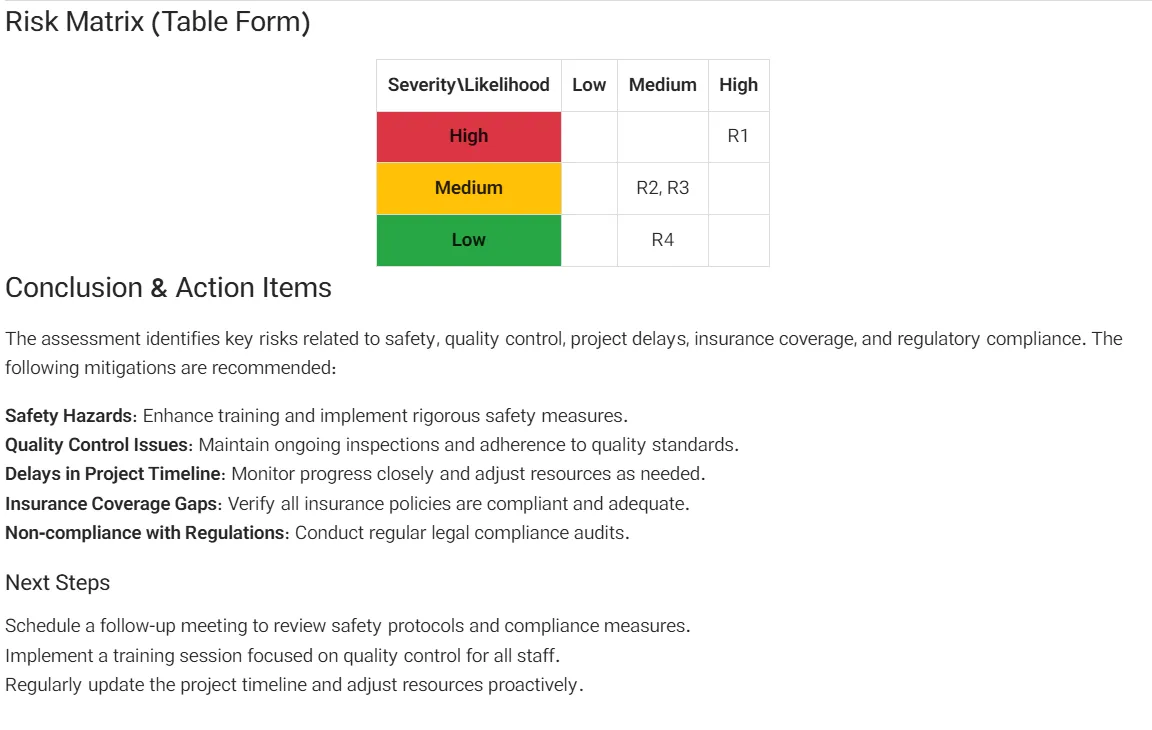
- Arbitration clauses
- Relevant contract sections
This transforms contracts from static PDFs into searchable and structured project data.
Why This Matters: Faster Uploads + Cleaner Data
The immediate impact is simple:
1) Uploads take seconds instead of minutes
Users no longer need to open the document and manually search for key information.
2) Higher metadata accuracy
Manual entry creates mistakes: typos, missing digits, wrong discipline selection, inconsistent titles, and misclassification. Automated extraction reduces this dramatically.
3) More consistent records across the organization
When metadata is standardized, the EDMS becomes more reliable for:
- search and retrieval,
- reporting,
- dashboards,
- transmittals,
- approval workflows,
- and audit readiness.
4) Less frustration for engineers and document controllers
The system removes repetitive work and lets teams focus on project delivery.
The Bigger Outcome: 58 Working Days Returned to Engineering
This feature is not about replacing engineering expertise.
It’s about removing the repetitive tasks that slow down engineering work.
By eliminating manual document metadata entry, teams can recover the equivalent of:
≈ 58 working days per engineer per year
—or—
9+ hours per week
That time can be reinvested into real project value:
- engineering design quality,
- coordination,
- decision-making,
- compliance,
- and delivery.
Smarter EDMS Starts at Upload
Document control is the foundation of every engineering project.
And the quality of document control starts with one step:
Upload.
By bringing AI document understanding into the upload process, our EDMS becomes faster, cleaner, and more scalable—without increasing administrative workload.
Want a Walkthrough?
If you’d like to see this feature live inside the EDMS, we’d be happy to run a short walkthrough meeting.
Contact us to schedule a demo and see how AI-assisted metadata extraction can transform your document workflows.